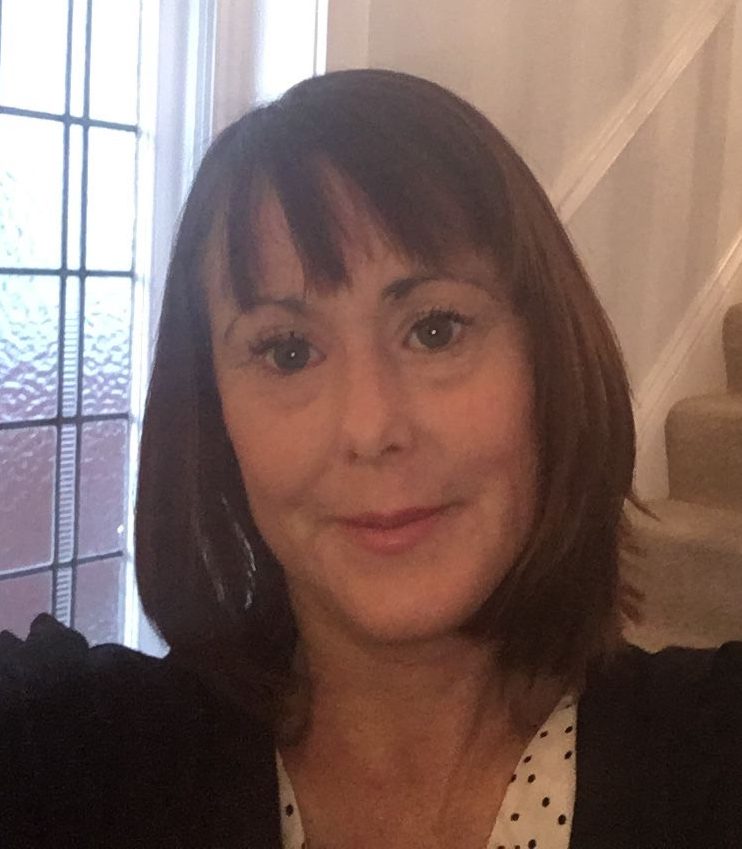
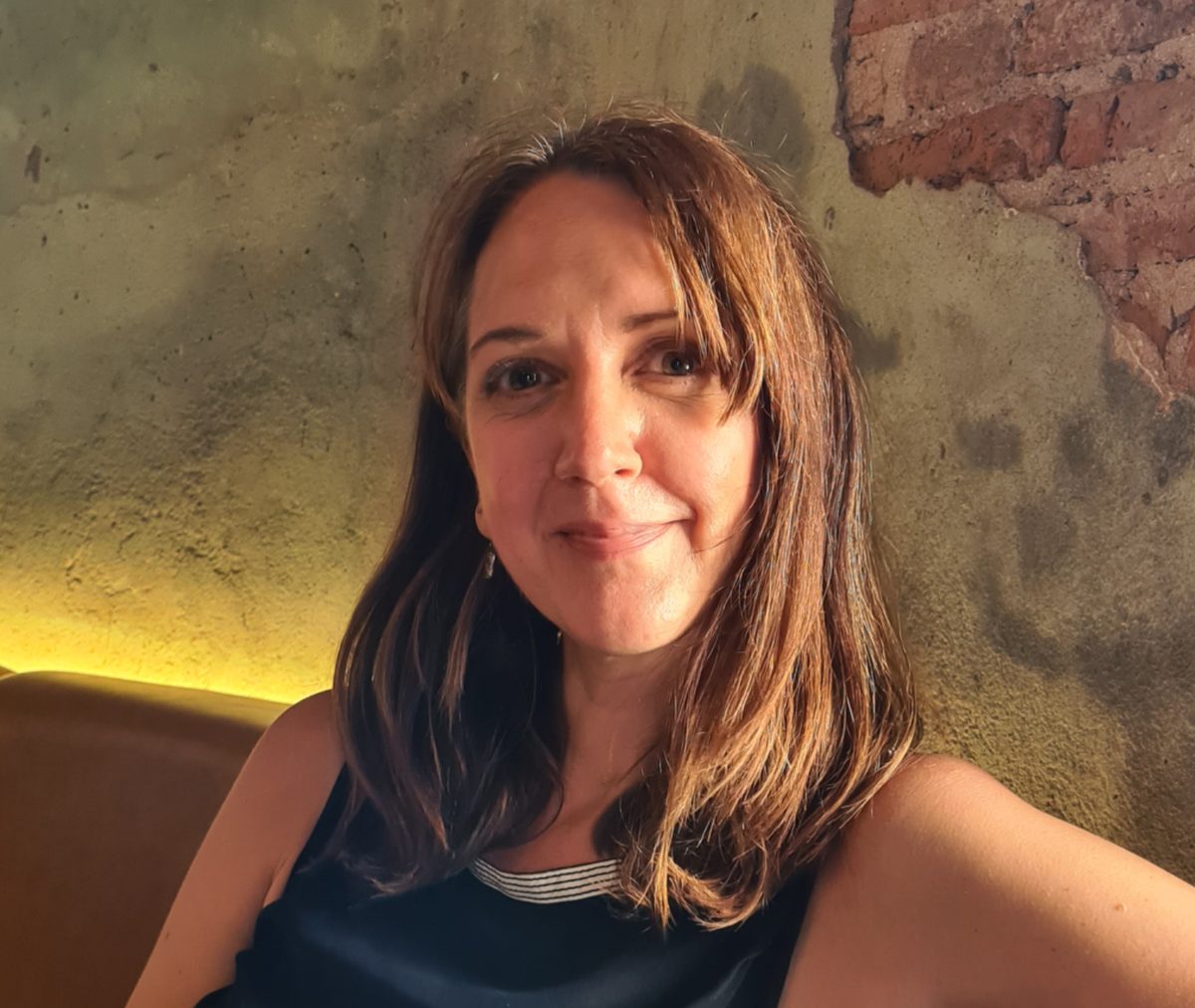
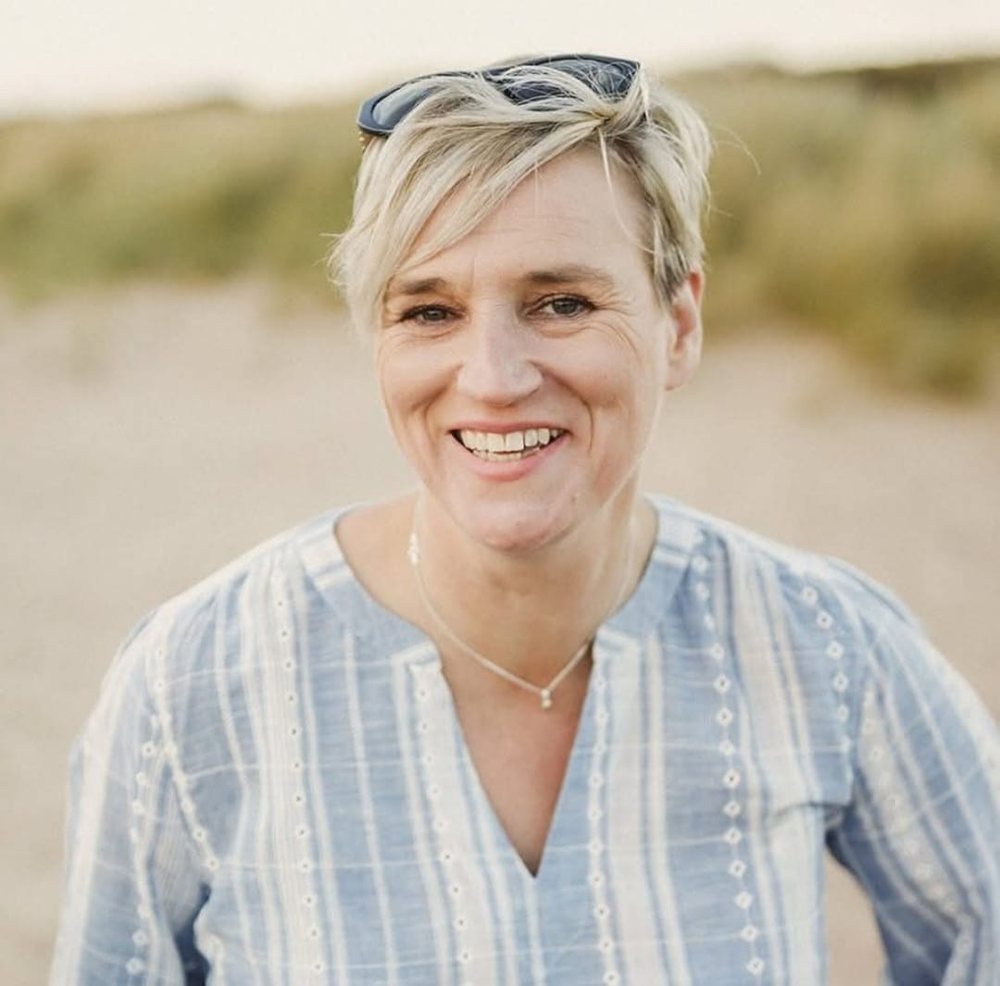
Meet our founderJenny Bowles
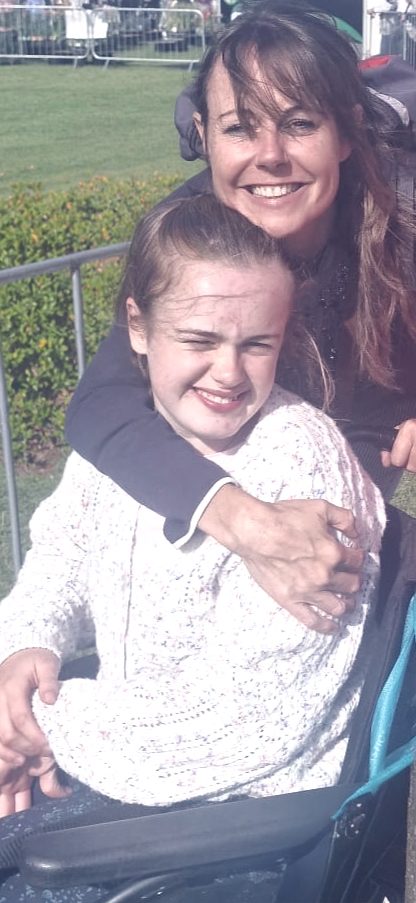
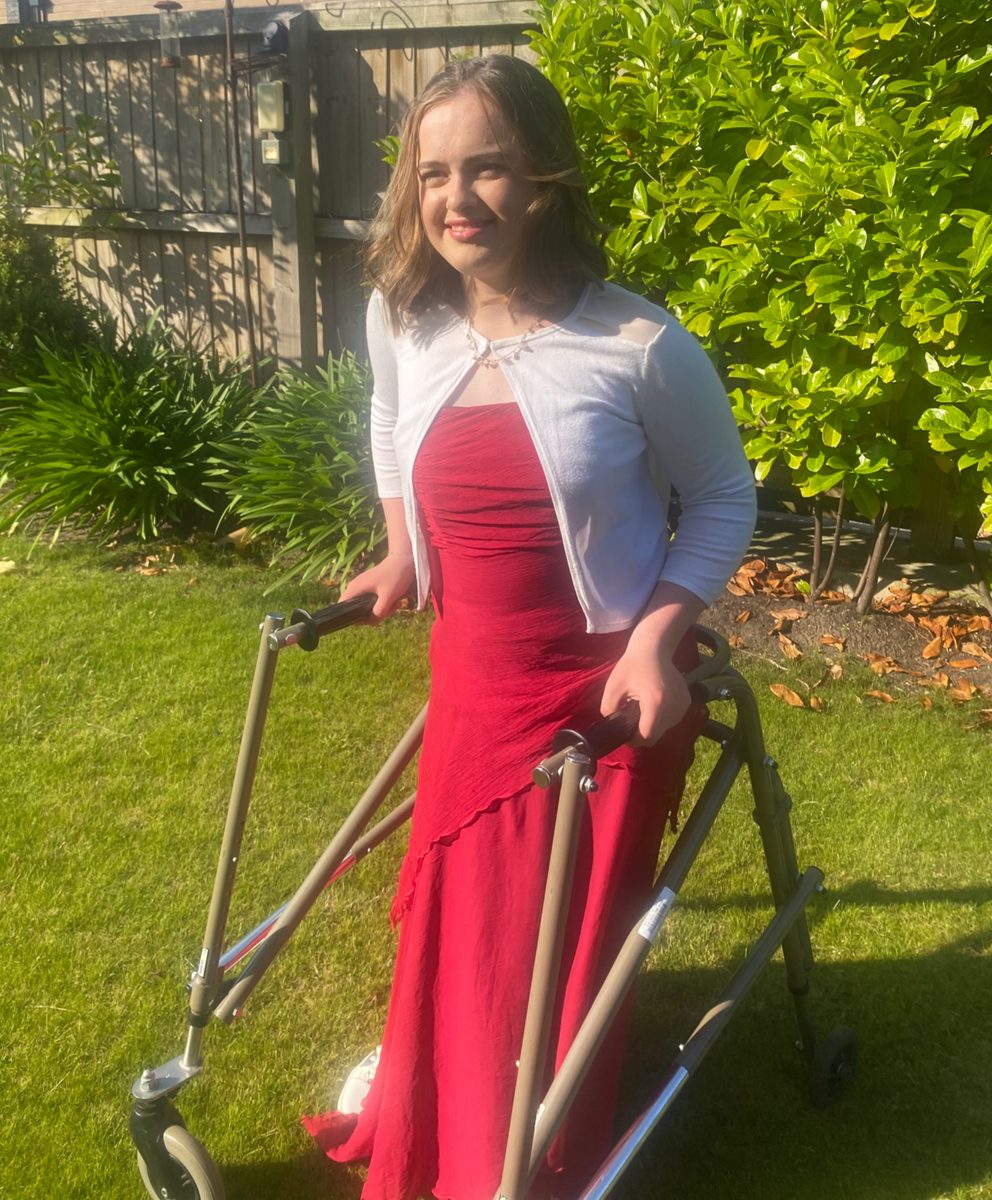
I'm a mum to three girls aged 10 to 16. My eldest daughter was born with cerebral palsy involving complex medical and developmental needs. She attended mainstream schools with the support of a full-time teaching assistant.
We have faced many challenges, including multiple surgeries, regular hospital visits and a system that once predicted she would never learn or communicate. We fought hard for her health and education, but I did not think enough about her social integration.
I accepted that, unlike her sisters, she was not invited to playdates and only the occasional birthday party. Mainstream out-of-school activities often were not accessible, while provision aimed only at children with special educational needs or disabilities did not always meet her needs. As a result, she spent much of her childhood in the company of adults, developing a quiet preference for solitude.
Over the past decade, I have searched for inclusive youth opportunities — activities where young people like Ella could build real friendships, mix with peers, have fun and feel they belong. Transition periods, including school holidays, moving from primary to secondary school and the road into adulthood, can be particularly tough.
My middle daughter is a young carer. Like many children, the pandemic hit her hard, especially the transition to secondary school. Anxiety affected attendance and friendships. We have experienced how complex and fragile friendships can be, but also how vital they are for wellbeing and development into adulthood.
Why Friendship Fusion?
Unable to find the right provision for my daughters, I asked others about their experiences. That included a detailed consultation with around 50 young people aged 10–16 across five Southport schools, alongside conversations with families, partner organisations and local stakeholders.
Together with an amazing group of women who form my Board of Directors, I want to create the kind of inclusive, welcoming, youth-led community I wish had been there for my daughters: a space where young people with additional needs, and those with vulnerabilities such as anxiety, can find connection, support and joy — and have the opportunity to practise the strengths and abilities they already have.
Jenny Bowles